
Home upgrades that focus on energy efficiency are an excellent way to save money on utility bills while creating a more sustainable and comfortable living space. By making targeted improvements, you can reduce energy consumption, enhance the functionality of your home, and even increase its overall value. From simple fixes like sealing air leaks and upgrading to LED lighting to larger projects like adding insulation or installing energy-efficient windows, there are countless ways to make your home more efficient.
Energy-efficient home upgrades not only help lower your monthly expenses but also contribute to a greener lifestyle by reducing your carbon footprint. Whether you’re a homeowner looking to modernize your space or a renter seeking affordable ways to cut energy costs, these upgrades can make a big difference. Let’s explore some of the most impactful and budget-friendly home upgrades that can help you save money while improving your living environment.
Table of Contents
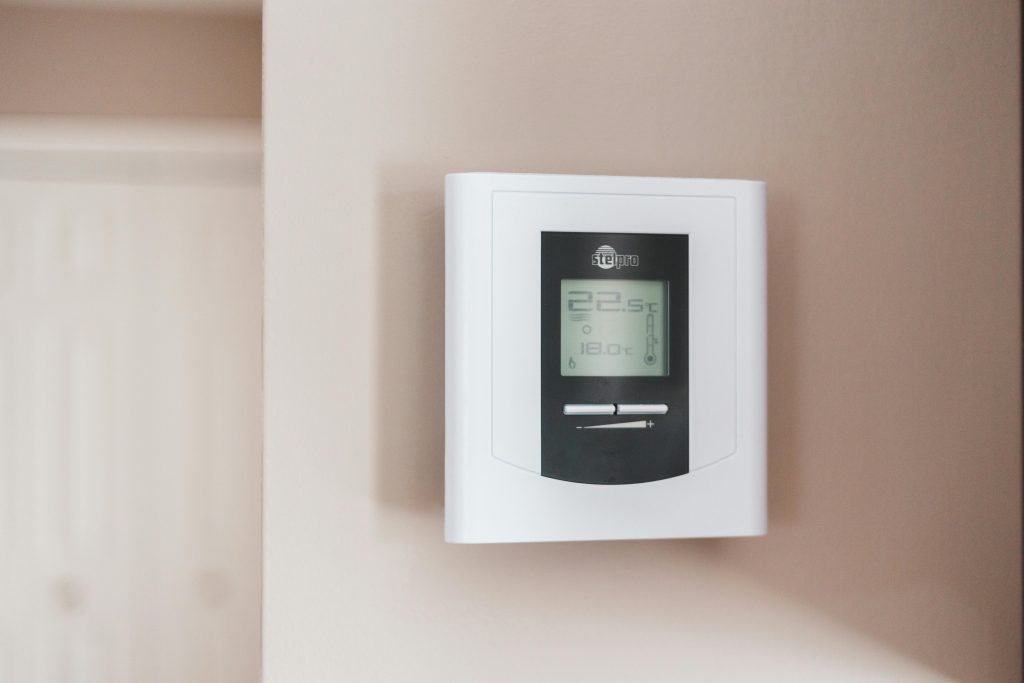
Install a Programmable or Smart Thermostat
A programmable or smart thermostat can help regulate your home’s temperature efficiently, ensuring you’re not heating or cooling an empty house. These devices allow you to set schedules or adjust settings remotely.
Benefits:
- Reduces energy waste by only running HVAC systems when needed.
- Saves an average of 10-15% on heating and cooling costs annually.
Upgrade to LED Lighting
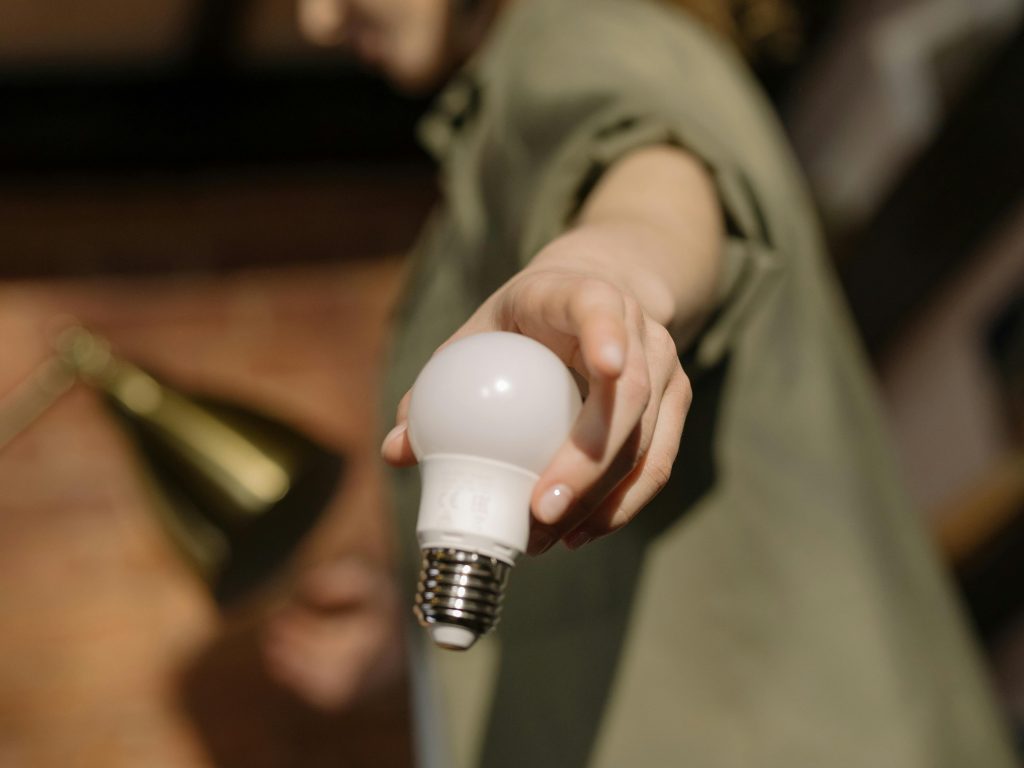
Switching to LED bulbs is one of the easiest and most cost-effective energy-efficient home upgrades. LEDs use significantly less electricity and last much longer than traditional incandescent or CFL bulbs.
Benefits:
- Consumes up to 75% less energy.
- Reduces replacement frequency with a lifespan of 15-20 years.
Seal Air Leaks Around Doors and Windows
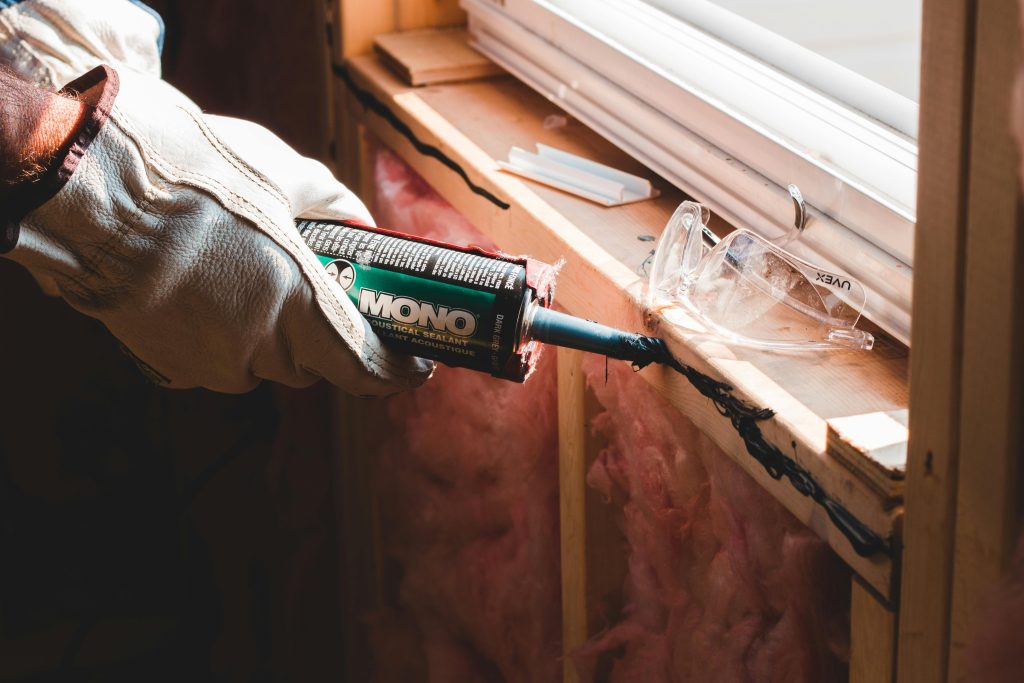
Air leaks are a common culprit for energy loss in homes. Sealing gaps with weatherstripping or caulk prevents drafts, making it easier to maintain indoor temperatures.
Benefits:
- Reduces strain on heating and cooling systems.
- Improves indoor comfort and lowers energy bills.
Add Insulation to Attics and Walls
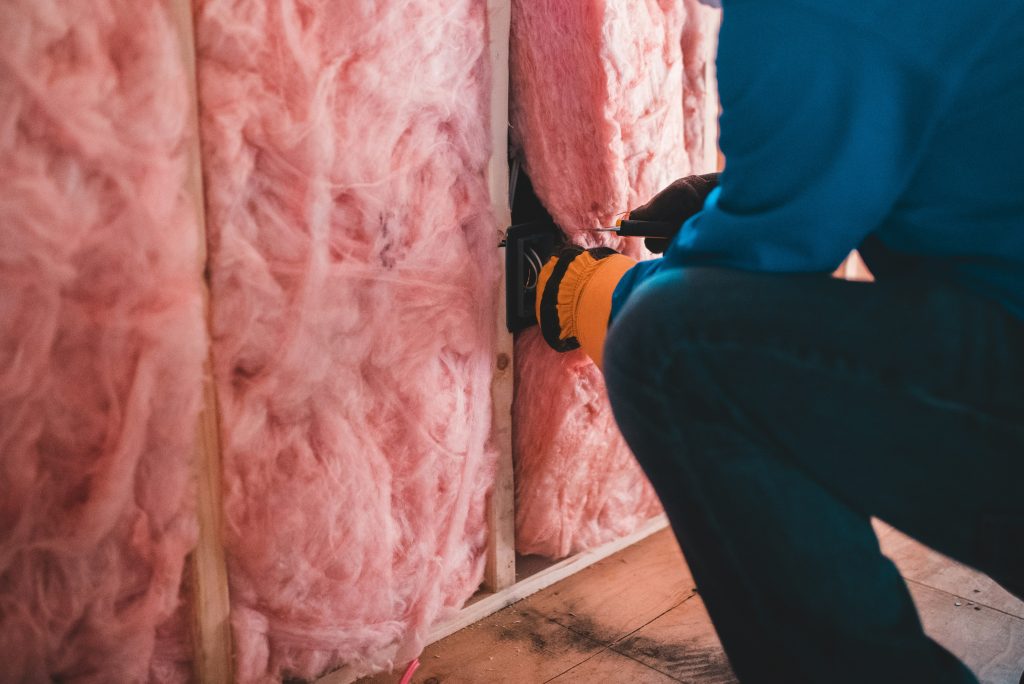
Proper insulation is key to maintaining a consistent temperature inside your home. Adding or upgrading insulation in attics, walls, or crawl spaces helps reduce heat loss in winter and keeps your home cool in summer.
Benefits:
- Improves energy efficiency by reducing heating and cooling costs.
- Creates a more comfortable indoor environment year-round.
Install Energy-Efficient Windows
If your home has older, single-pane windows, consider upgrading to energy-efficient double or triple-pane windows. These windows are designed to minimize heat transfer and prevent drafts.
Benefits:
- Reduces heating and cooling costs by up to 30%.
- Lowers outside noise for a quieter home.

Upgrade Appliances to Energy Star Certified Models
Older appliances can be major energy hogs. Replacing them with Energy Star-certified models ensures that you’re using the most energy-efficient options available.
Benefits:
- Uses up to 30% less energy than standard appliances.
- Saves money on long-term utility costs.
Use Low-Flow Showerheads and Faucets
Low-flow showerheads and faucet aerators reduce water usage without compromising water pressure. These simple devices are affordable and easy to install.
Benefits:
- Saves water and lowers energy costs for heating water.
- Conserves up to 50% of water usage.

Conclusion
By investing in energy-efficient home upgrades, you’re not only saving money on utility bills but also creating a more sustainable and comfortable living environment. These practical improvements, such as sealing air leaks, upgrading to Energy Star appliances, or installing smart thermostats, can make a significant difference in how your home functions day-to-day.
Home upgrades focused on energy efficiency are also an excellent way to increase the value of your property while reducing your carbon footprint. Whether you start with small changes like switching to LED bulbs or take on bigger projects like adding insulation or upgrading windows, each step contributes to a more efficient home.
The best part is that these upgrades don’t just pay off in the short term—they offer long-term savings and benefits that can make a lasting impact. So, take the time to assess your home’s needs, prioritize the upgrades that suit your budget, and start your journey toward a more energy-efficient home today.
Pro Tip: Prioritize the upgrades based on your home’s specific needs and budget to maximize savings.