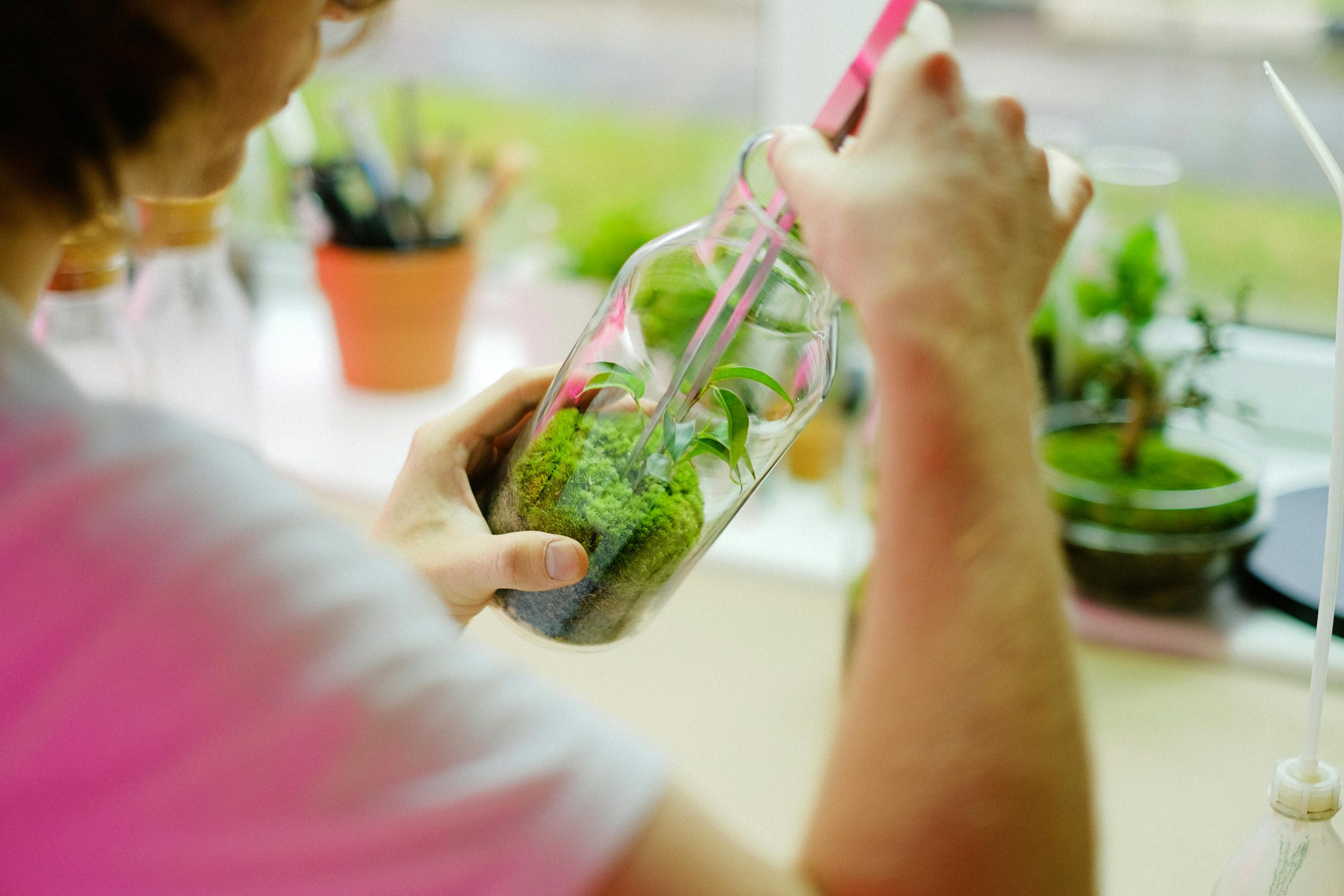
Creating a sustainable garden is an excellent way to reduce your environmental impact while enjoying a beautiful and thriving outdoor space. A sustainable garden focuses on practices that conserve resources, support local ecosystems, and minimize waste. By incorporating composting, water conservation, and native plants, you can create a garden that’s not only eco-friendly but also easier to maintain.
This guide will walk you through the essential steps to starting a sustainable garden, covering key principles and actionable tips for success.
Table of Contents
What is a Sustainable Garden?
A sustainable garden is designed to work in harmony with nature. It minimizes resource use, supports biodiversity, and prioritizes practices that reduce environmental impact. Instead of relying heavily on synthetic fertilizers, pesticides, and excessive water use, a sustainable garden thrives on natural solutions.
Step 1: Start Composting
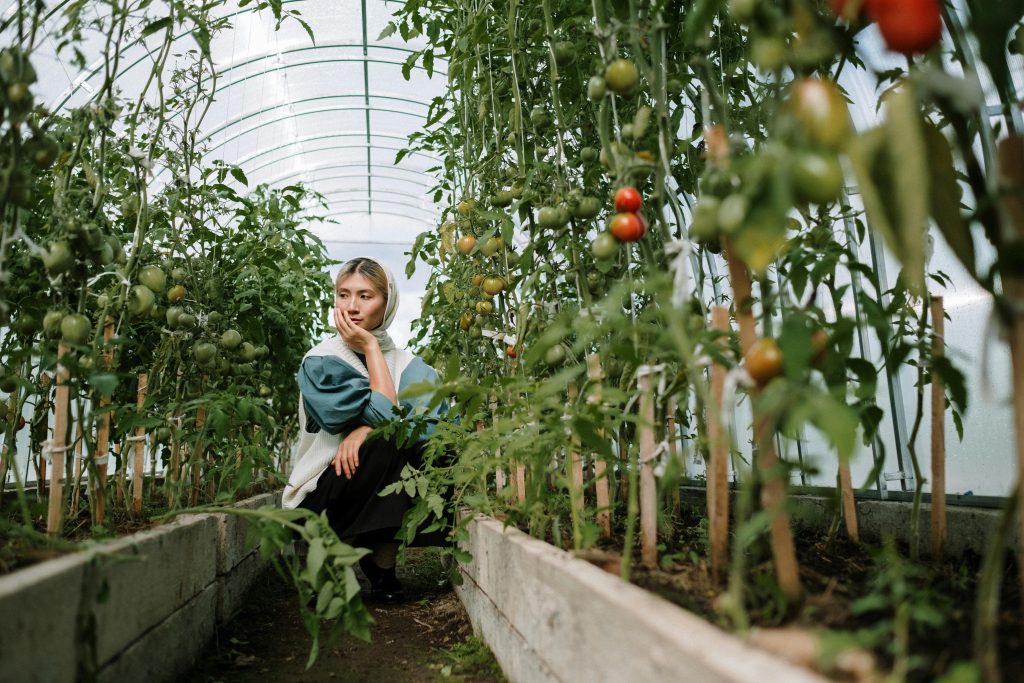
Composting is one of the most important practices for a sustainable garden. It involves recycling organic waste into nutrient-rich compost, which enriches your soil and reduces the need for chemical fertilizers.
How to Start Composting:
- Choose a Composting Method:
- Traditional Compost Bin: A simple bin for kitchen and garden scraps.
- Tumbler: A rotating bin for faster decomposition.
- Vermicomposting: Using worms to break down organic matter.
- Add the Right Materials:
- Greens: Fruit and vegetable scraps, coffee grounds, grass clippings.
- Browns: Dry leaves, straw, cardboard, and shredded paper.
- Avoid adding meat, dairy, or oily foods.
- Maintain Your Compost:
- Keep the pile moist but not soggy.
- Turn it regularly to aerate and speed up decomposition.
Benefits of Composting:
- Reduces landfill waste.
- Improves soil health and fertility.
- Encourages healthy plant growth.
Step 2: Conserve Water
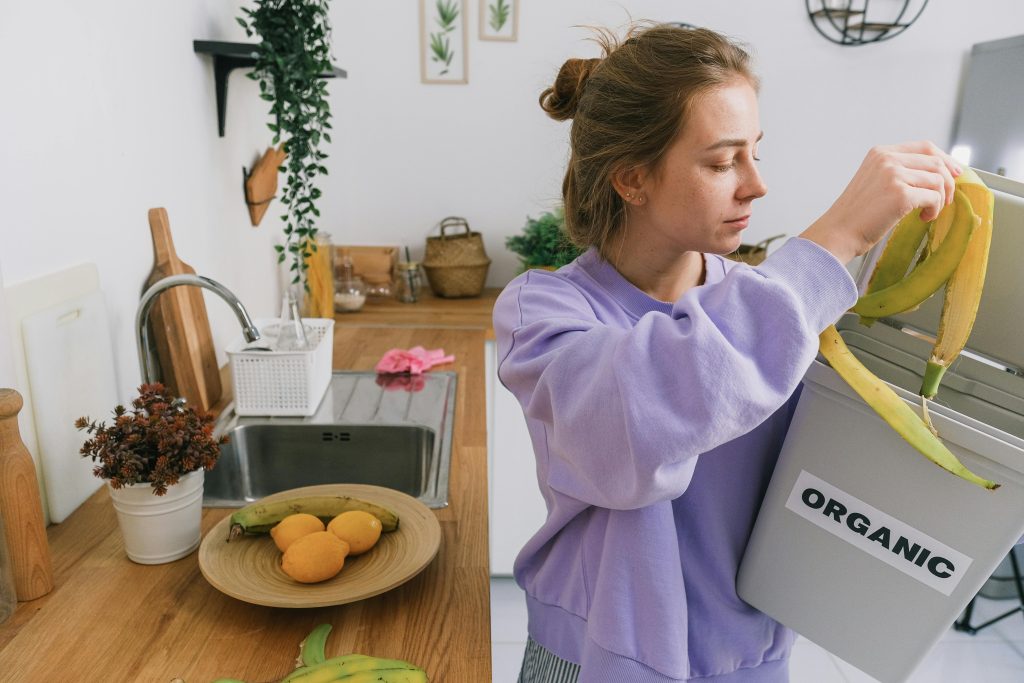
Water conservation is a crucial element of sustainable gardening. By using water wisely, you can maintain a healthy garden while reducing waste and protecting this vital resource.
Tips for Water Conservation in the Garden:
- Install a Rain Barrel:
- Collect rainwater from your roof and use it to water your garden.
- This reduces your reliance on municipal water and saves money.
- Use Mulch:
- Apply organic mulch around plants to retain soil moisture, reduce evaporation, and suppress weeds.
- Choose Drought-Tolerant Plants:
- Select plants that thrive in your climate with minimal water.
- Water Smartly:
- Water early in the morning or late in the evening to reduce evaporation.
- Use drip irrigation systems for precise watering at the roots.
Step 3: Plant Native Species
Incorporating native plants is one of the best ways to create a sustainable garden. Native species are adapted to your region’s soil, climate, and pests, making them easier to grow and maintain.
Why Choose Native Plants?
- Low Maintenance: They require less water, fertilizer, and pest control.
- Supports Biodiversity: Provides food and habitat for local wildlife, including pollinators like bees and butterflies.
- Resilient: Better suited to withstand local weather conditions and diseases.
How to Get Started with Native Plants:
- Research Local Species:
- Identify native flowers, shrubs, and trees suited to your area.
- Consult with local nurseries or extension offices for guidance.
- Group Plants by Water Needs:
- Arrange plants with similar watering requirements together for efficient irrigation.
- Combine Beauty with Functionality:
- Choose plants that provide visual appeal while benefiting the ecosystem. For example, wildflowers for pollinators or shrubs for bird nesting.
Step 4: Avoid Chemicals
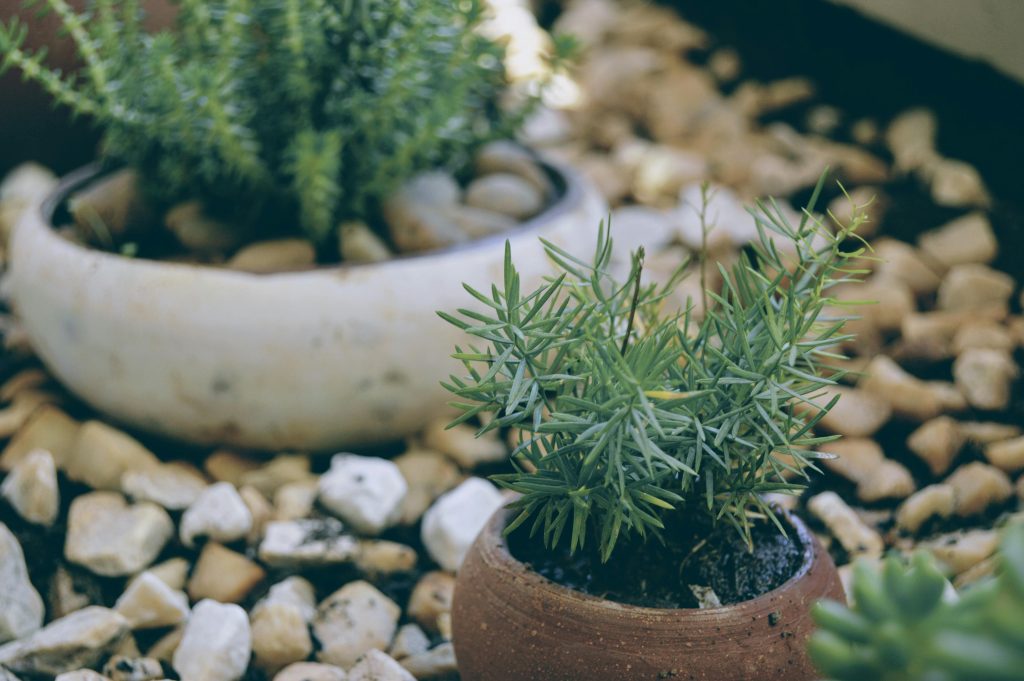
Using synthetic fertilizers and pesticides can harm the environment and disrupt the natural balance of your garden. Instead, opt for organic alternatives.
Eco-Friendly Practices:
- Use Compost: Provides essential nutrients naturally without chemicals.
- Encourage Beneficial Insects: Ladybugs and lacewings can control pests naturally.
- Rotate Crops: Prevents soil depletion and reduces pest problems.
Step 5: Reduce Waste and Reuse Materials
Minimizing waste is a key principle of sustainability. By reusing materials and repurposing items, you can save resources and reduce environmental impact.
Ideas for Reducing Waste in the Garden:
- Repurpose Household Items:
- Use old containers as planters.
- Create garden markers from recycled materials like popsicle sticks.
- Reuse Yard Waste:
- Shred pruned branches and leaves for mulch.
- Save grass clippings as a natural fertilizer.
- Recycle Water:
- Use leftover water from cooking (cooled) to water plants.

Benefits of a Sustainable Garden
Starting a sustainable garden has many advantages beyond reducing your environmental footprint. It helps conserve natural resources, saves money on water and fertilizers, and creates a thriving ecosystem that supports local wildlife. Plus, the sense of accomplishment and connection to nature you’ll gain is immeasurable.
Conclusion
Building a sustainable garden is a rewarding journey that benefits you, your community, and the planet. By focusing on composting, water conservation, and native plants, you can create a garden that thrives naturally while minimizing waste and resource use. Start small, implement these eco-friendly practices, and watch as your sustainable garden grows into a beautiful, resilient space that brings joy and purpose to your gardening efforts.