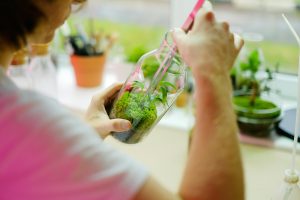
Seasonal gardening is all about working with nature’s rhythms to get the most out of your garden year-round. Understanding your U.S. climate zone is essential, as it dictates what you can grow and when to plant. By tailoring your gardening tasks to each season, you can ensure a thriving garden that produces lush flowers, fresh vegetables, and healthy plants throughout the year.
This month-by-month guide will help you navigate seasonal gardening, offering tips and tasks suited for your specific climate zone.
Table of Contents
Understanding U.S. Climate Zones
Before diving into the month-by-month guide, identify your USDA Hardiness Zone. The U.S. is divided into zones based on average annual minimum winter temperatures, ranging from Zone 1 (coldest) to Zone 13 (warmest). Knowing your zone helps you determine the best planting and harvesting times for your region.
- Tropical Zone: Found in southern Florida and Hawaii, characterized by warm temperatures and high humidity year-round.
- Arid Zone: Covers areas like the southwestern states (e.g., Arizona, Nevada) with hot, dry desert climates.
- Semi-Arid Zone: Found in areas like the Great Plains and parts of the Southwest, with moderate rainfall and wide temperature variations.
- Temperate Zone: Found in most of the eastern and southern U.S., with moderate weather patterns and distinct seasons.
- Continental Zone: Covers much of the Midwest and Northeast, featuring cold winters, warm summers, and a range of precipitation.
- Polar Zone: Found in parts of Alaska, characterized by extremely cold temperatures and long winters.
January: Planning and Preparation
January is the perfect time to plan your garden. Start by researching plants suitable for your zone and creating a planting schedule.
Tasks:
- Organize your seeds and order new ones.
- Design your garden layout, considering crop rotation.
- Start indoor seedlings for cool-season crops like lettuce, broccoli, and kale (Zones 7–10).
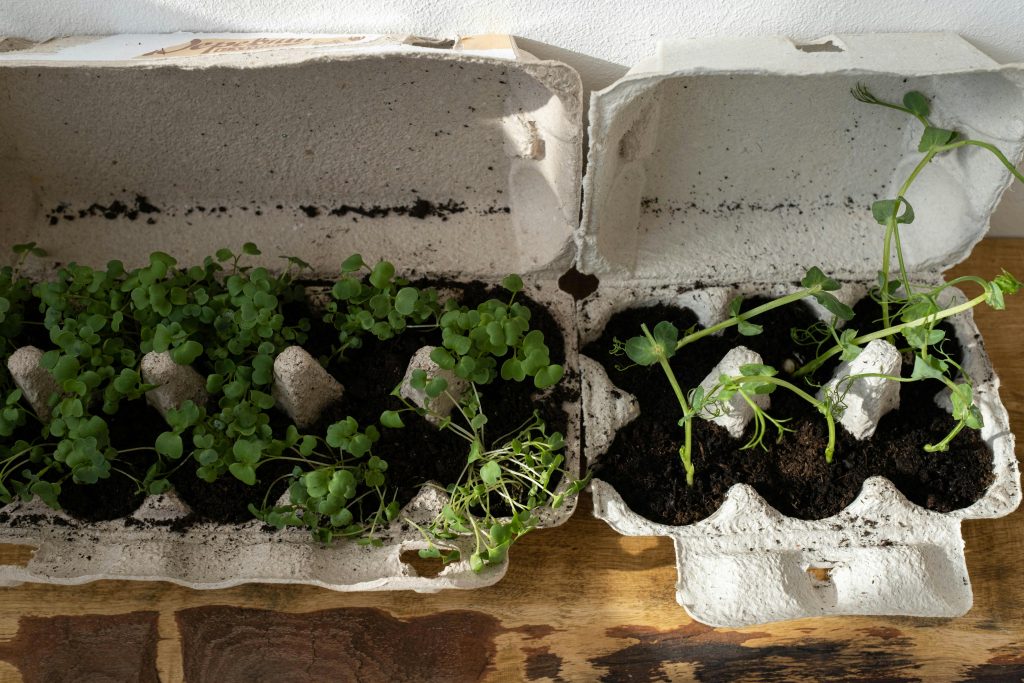
February: Start Early Planting
As winter begins to ease, it’s time to start some early planting. Depending on your zone, this month may involve indoor preparation or outdoor planting.
Tasks:
- Begin pruning fruit trees and shrubs.
- Plant cool-season crops like spinach and peas outdoors in warmer zones (Zones 7–10).
- Start warm-season crops like tomatoes and peppers indoors (Zones 5–6).
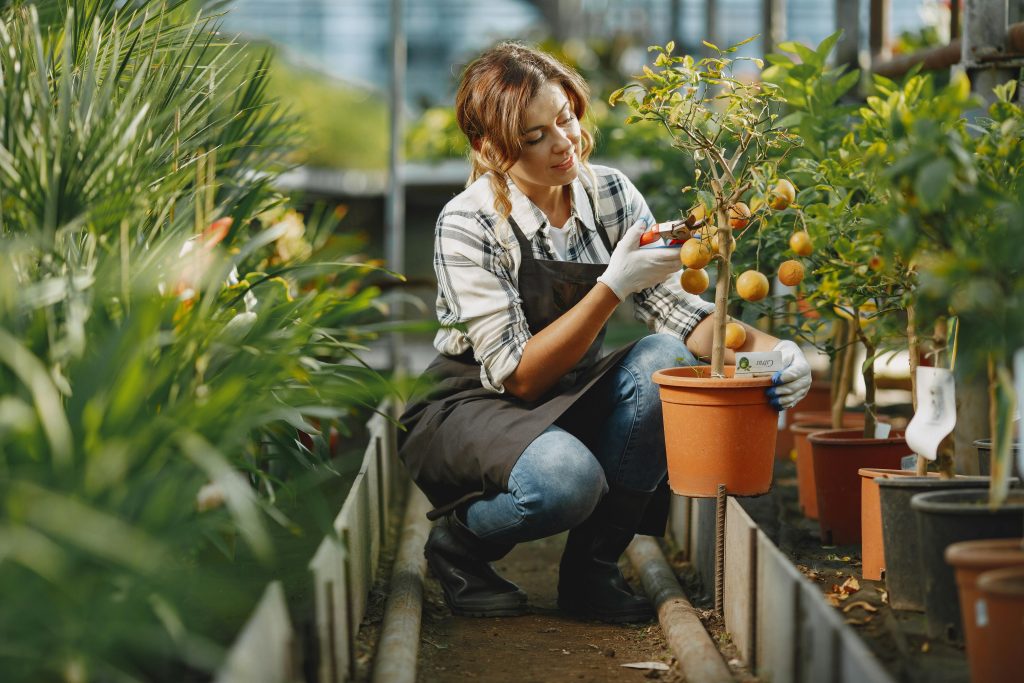
March: Transitioning to Spring
March marks the beginning of the active gardening season in many zones. It’s time to clean up your garden and start sowing seeds for spring.
Tasks:
- Clear debris and prepare garden beds.
- Direct sow hardy vegetables like carrots and radishes.
- Plant flowering annuals such as pansies and snapdragons in Zones 6–10.
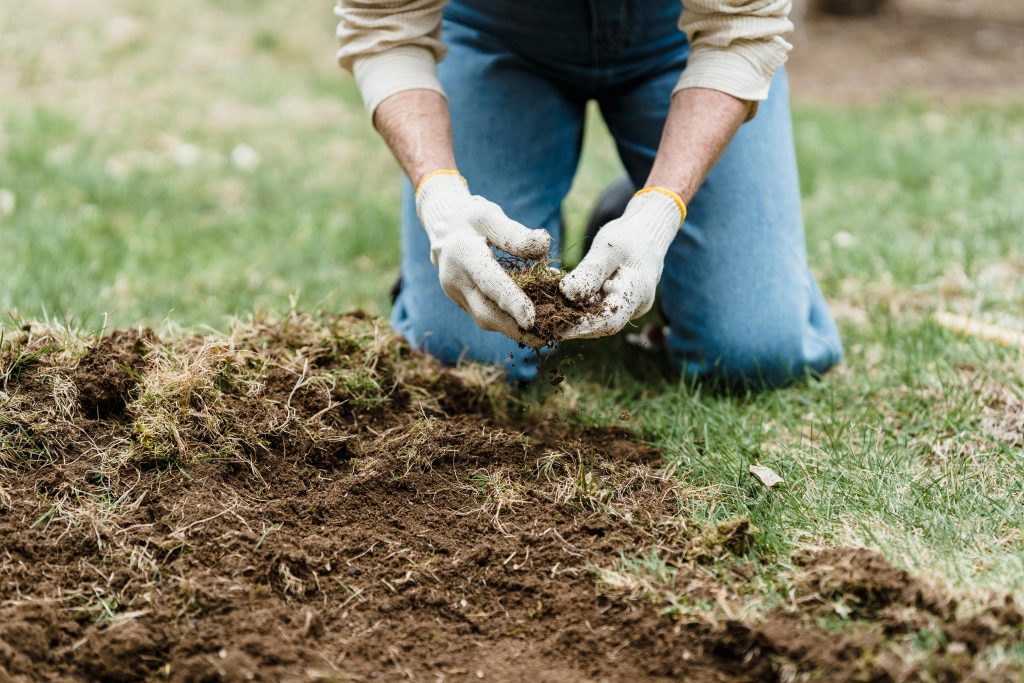
April: Spring in Full Swing
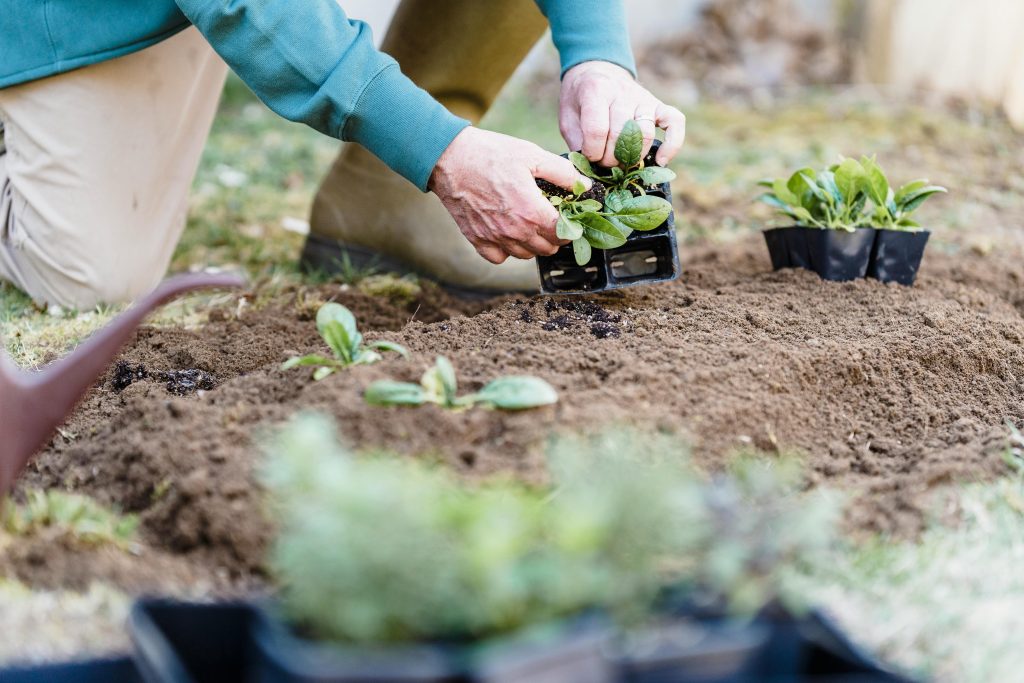
April is a busy month for seasonal gardening. Most zones are now warm enough to plant a variety of crops.
Tasks:
- Plant potatoes, onions, and leafy greens outdoors.
- Transplant seedlings like tomatoes and peppers in Zones 8–10.
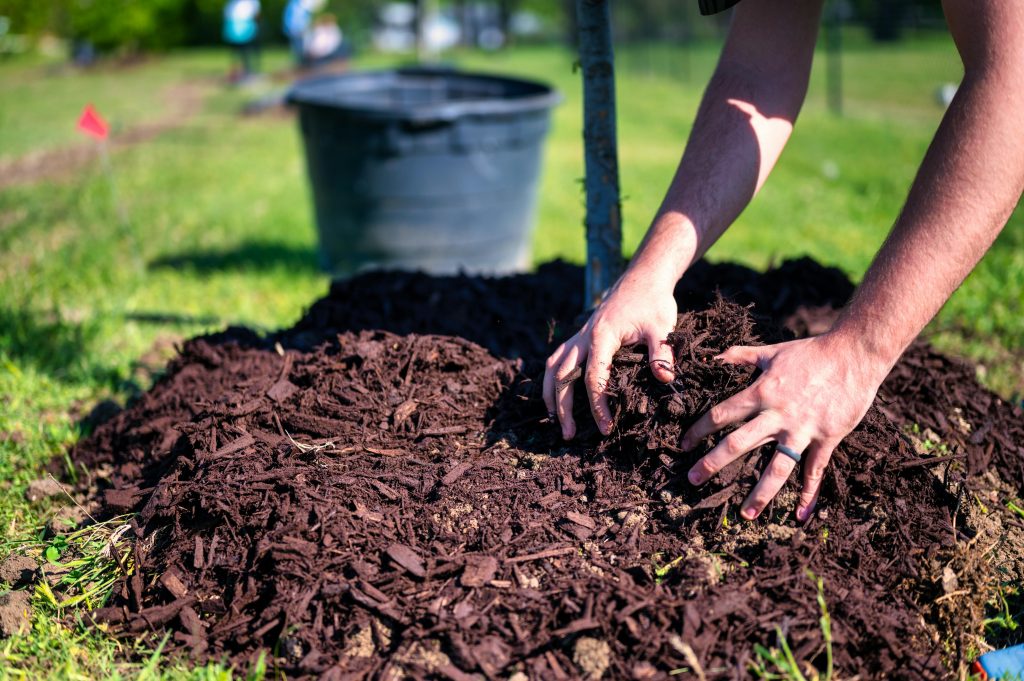
- Add mulch to control weeds and retain soil moisture.
May: Growth and Maintenance
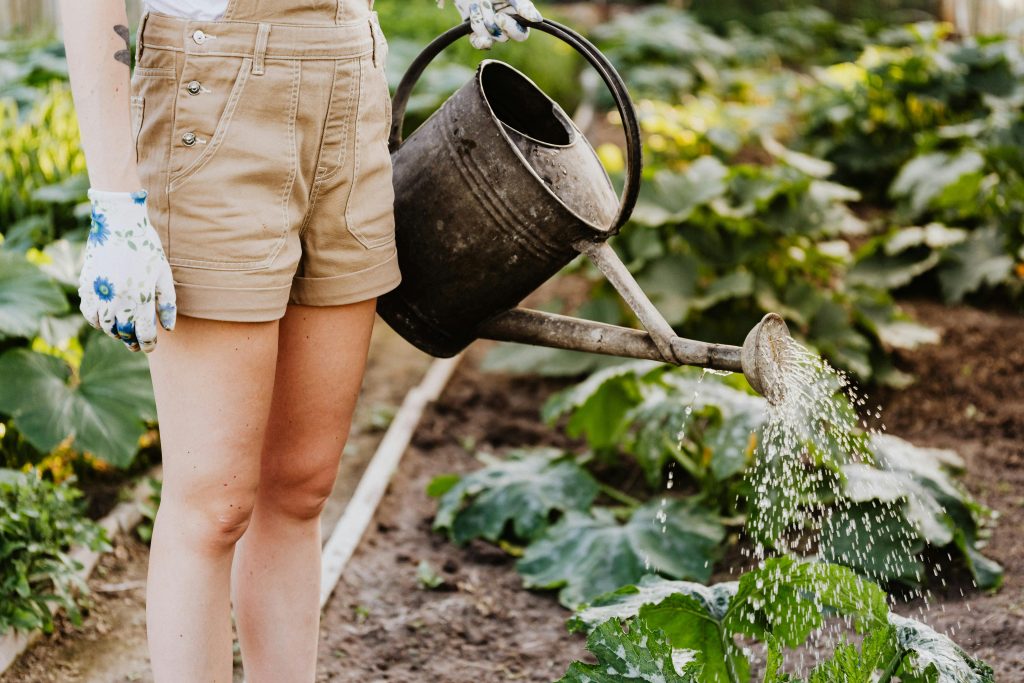
May is the time to nurture your plants as they establish themselves. Ensure proper watering and monitor for pests.
Tasks:
- Sow warm-season crops like cucumbers, squash, and beans.
- Thin out seedlings to give plants room to grow.
- Fertilize flowering plants and vegetables.
June: Peak Growing Season
June is when gardens are thriving, and many plants are in full growth. Stay on top of maintenance to keep everything healthy.
Tasks:
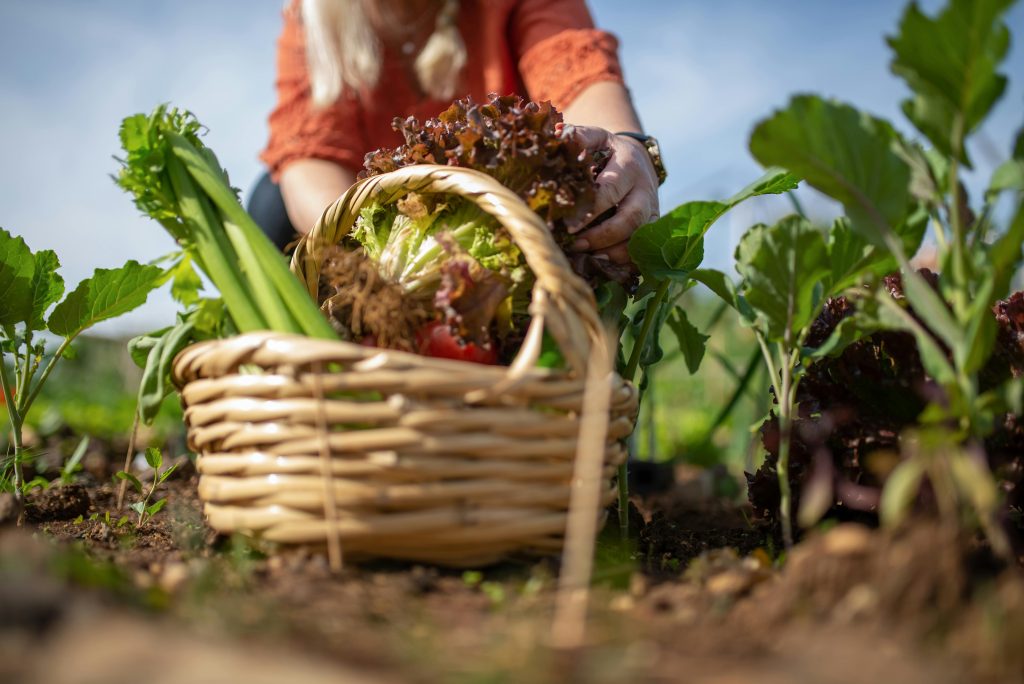
- Harvest early crops like lettuce and peas.
- Start planting succession crops for continuous harvests.
- Install trellises for climbing plants like beans and tomatoes.
July: Manage Heat and Harvest
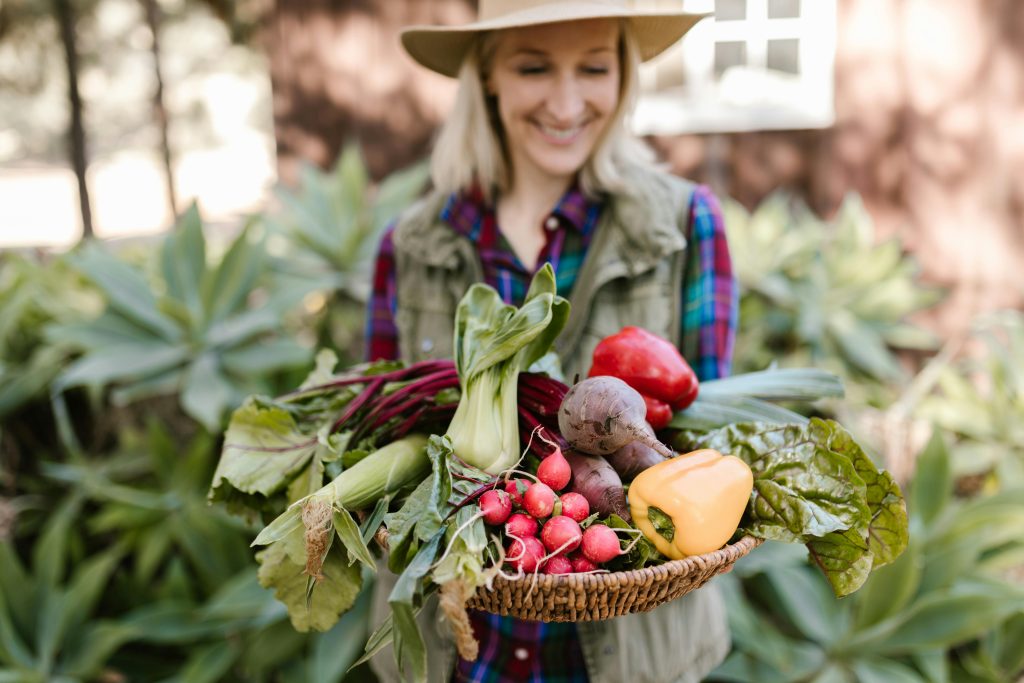
With summer in full swing, July focuses on managing heat and ensuring plants stay hydrated. It’s also a key time for harvesting.
Tasks:
- Water deeply in the early morning or evening.
- Harvest tomatoes, zucchini, and peppers as they ripen.
- Remove weeds to prevent competition for water and nutrients.
August: Late Summer Care
As summer winds down, it’s time to prepare for fall planting while keeping your summer crops productive.
Tasks:
- Plant fall crops like kale, broccoli, and carrots.
- Deadhead flowers to encourage more blooms.
- Begin saving seeds from heirloom plants.

September: Transition to Fall
September marks the transition to cooler weather, making it an ideal time to prepare for fall harvests.
Tasks:
- Harvest pumpkins, sweet potatoes, and late-season fruits.
- Plant cover crops like clover to enrich the soil.
- Rake leaves and use them as mulch or compost.

October: Wrap Up the Growing Season
October is a time to wrap up the growing season and prepare your garden for winter.
Tasks:
- Clear out spent plants and weeds.
- Plant garlic and spring bulbs in Zones 3–7.
- Protect tender perennials with mulch or frost covers.
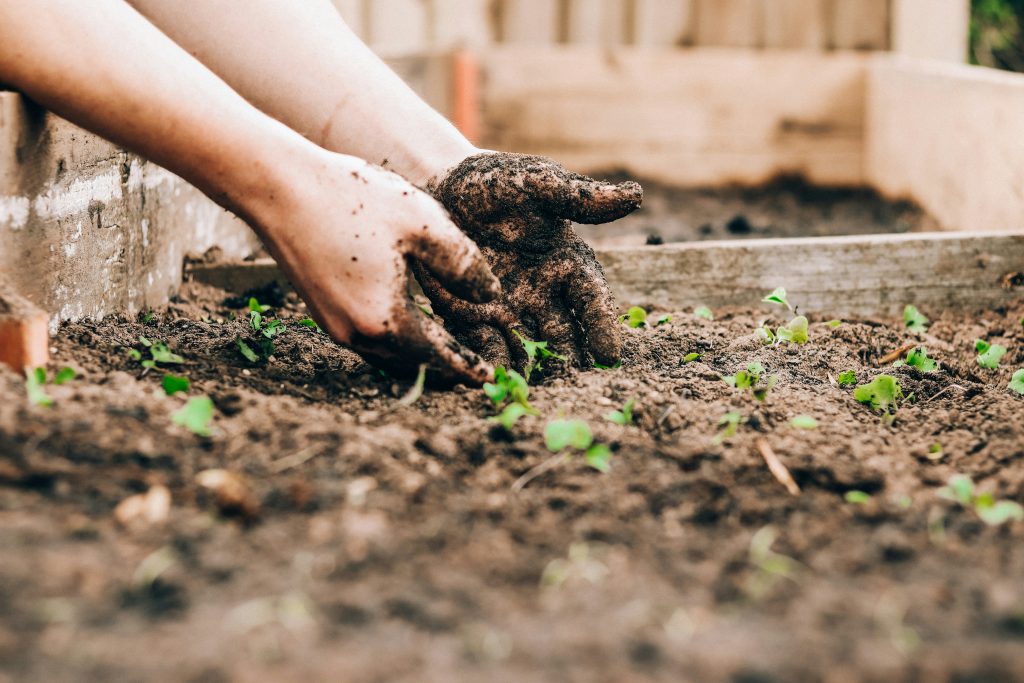
November: Prepare for Winter
With colder weather setting in, November focuses on protecting your garden and planning for next year.
Tasks:
- Clean and store tools for winter.
- Add compost to garden beds for spring enrichment.
- Start planning next year’s garden based on successes and challenges.
December: Rest and Reflect
December is a time to rest and reflect on the year’s gardening journey. While outdoor tasks may be limited, it’s a great time to plan and dream about the coming seasons.
Tasks:
- Review your garden journal to assess what worked well.
- Research new plants to try next year.
- Enjoy indoor gardening with houseplants or herbs.

Conclusion
Seasonal gardening allows you to align your efforts with nature’s cycles, ensuring a lush and productive garden year-round. By following this month-by-month guide and tailoring it to your U.S. climate zone, you can stay on top of essential tasks, enjoy bountiful harvests, and keep your garden thriving no matter the season. Start planning today and make the most of your seasonal gardening journey!